


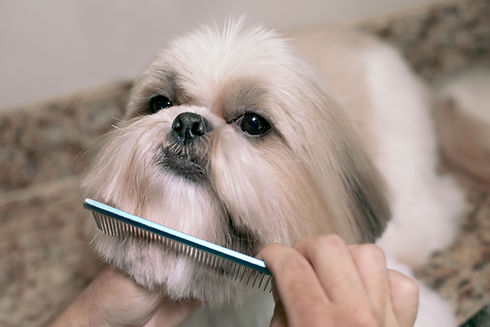
Most dogs should be brushed at least once a week, but long, curly, silky or double coats often need brushing every day or every other day. Short, smooth coats may need only one thorough weekly session. The best schedule depends on coat type, shedding, lifestyle, age and skin health, so check with your hands as well as your eyes.
Brushing frequency by coat type
Short, smooth-coated dogs such as Beagles, Boxers and many short-haired crosses usually benefit from a weekly brush with a rubber curry tool or soft bristle brush. This removes loose hair, spreads natural oils and gives you a chance to notice lumps, sore areas or parasites.
Medium and feathered coats, including many Spaniels and Retrievers, commonly need brushing two or three times a week. Pay particular attention behind the ears, under the collar, around the legs and beneath the tail. These friction areas can tangle quickly after walks or wet weather.
Long, silky, curly and wool coats often need daily or near-daily care. Poodles, Bichons, Cockapoos and similar coats can mat close to the skin even when the surface looks tidy. Double-coated breeds such as Huskies and German Shepherds may need extra sessions during seasonal shedding. Regular brushing works best alongside suitable professional dog grooming services, because bathing, drying and coat preparation also affect the result.
How to brush without pulling
Choose a quiet time when your dog is relaxed. Work in small sections from the ends of the coat towards the skin, supporting the hair with your fingers so you do not tug. Use gentle strokes and check that your tool reaches through the coat without scratching the skin. A comb can help confirm that a brushed section is free from knots.
The right tool matters. Slicker brushes can be useful for many curly or dense coats, pin brushes suit some longer coats, and rubber tools work well on short hair. A groomer can recommend a brush and comb for your dog’s individual coat. Avoid cutting mats with scissors: skin can be pulled into a tight mat and injured very easily.
Breed, age and temperament considerations
A breed label is only a starting point. Crossbreeds can inherit a mixture of coat textures, and two dogs of the same breed may have different density or grooming needs. Dogs that swim, wear harnesses, run through long grass or spend time in muddy conditions generally need more frequent checks.
Puppies should have very short, positive brushing sessions so grooming becomes normal. Use a soft tool, touch the paws, ears and tail gently, and reward calm behaviour. Senior dogs may need extra support because standing can be tiring or joints may be tender. Brush them on a secure, non-slip surface and allow breaks.
Nervous or rescue dogs may not tolerate a complete brush at once. Begin with a few seconds on an easy area, reward, and finish before stress builds. Never hold a frightened dog down to remove a knot. Our guide on preparing your dog for a grooming appointment explains how gradual handling can build confidence.
When mats or skin changes need professional help
Small, loose tangles may be eased apart carefully with the correct tools, but tight mats close to the skin should be assessed by a groomer. Severe matting can restrict movement, trap moisture and hide redness, wounds or parasites. Humane clipping may be kinder than prolonged pulling, even if it means a shorter finish than you originally wanted.
Speak to a vet if you find broken skin, swelling, a strong smell, weeping areas, sudden hair loss, persistent scratching, or marked pain. Do not brush over an unexplained lump or inflamed patch. If your dog’s coat suddenly changes, there may be a medical or nutritional cause that grooming alone cannot solve.
Make brushing part of a wider routine
Check ears, paws, nails and skin while you brush, and note any change from normal. Clean, dry tools after use and keep sessions calm. Brushing does not replace bathing, nail care, ear checks or professional coat maintenance, but it makes each of those tasks easier. Read the benefits of regular dog grooming for a fuller picture.
Frequently asked questions
Can I brush my dog too much?
Yes, if the tool is too harsh or repeated over the same area. Stop if the skin becomes pink, sore or sensitive, and ask a groomer whether the brush is suitable.
Should I brush before or after a bath?
Brush out loose hair and manageable tangles before bathing. Water can tighten existing knots. After drying, a gentle final brush can help finish the coat.
What if my dog sheds heavily?
Increase brushing during shedding seasons and use a tool suited to the coat. Sudden or patchy hair loss, irritated skin or excessive licking should be checked by a vet.
Find more help in our Pet Grooming Advice, or contact our Penarth salon to discuss the right grooming plan for your dog.